Scarf
1.1 Quick Answer
A scarf is a length of fabric worn around the neck, head, or shoulders for warmth, protection, or decorative purposes. Produced in wool, silk, cotton, cashmere, and synthetic materials, scarves have been worn across virtually every culture and era. Vintage, designer, and hand-crafted examples carry significant collector and resale value above standard retail pricing.
1.2 Visual Identification Guide
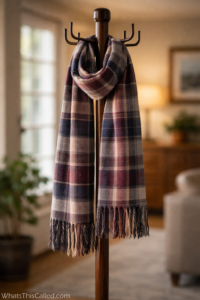
A scarf is a rectangular, square, or triangular length of fabric ranging from 12 inches to over 80 inches in length depending on style and intended use. Width varies from 4 inches on narrow neckerchiefs to 36 inches on large shawl-style wraps. Weight is minimal — most scarves weigh between 50 and 300 grams.
Woven scarves show a structured grid of interlocked threads visible under close inspection. Knitted scarves — including hand-knitted and machine-knitted examples — show interlocking loops of yarn in rows. Crochet scarves are identified by their chained loop construction, often with decorative open lacework patterns between solid rows. Printed scarves are woven or knit base fabrics with designs applied by screen printing, digital printing, or transfer.
Edges vary by construction. Woven scarves typically have fringed ends where the warp threads are left loose or knotted. Knitted and crochet scarves have finished cast-off edges. Silk and fine fabric scarves are hand-rolled or machine-hemmed along all four edges — hand-rolled hems show a narrow, slightly uneven edge roll that is a mark of quality on luxury scarves.
Material identification: wool feels slightly rough against skin and has a warm, dense drape. Cashmere is noticeably softer and lighter than standard wool with a fine, almost silky hand. Silk is smooth, cool to the touch, and has a natural sheen. Cotton is soft, matte, and washable. Acrylic and polyester synthetics are lighter, sometimes slightly stiff, and have a uniform appearance without natural fibre variation.
Designer and luxury scarves carry woven or printed brand labels — typically sewn into one corner or along one edge. Hermès, Burberry, Louis Vuitton, and Missoni labels on authentic examples are woven fabric tags with precise stitching and consistent font.
Recommended Products

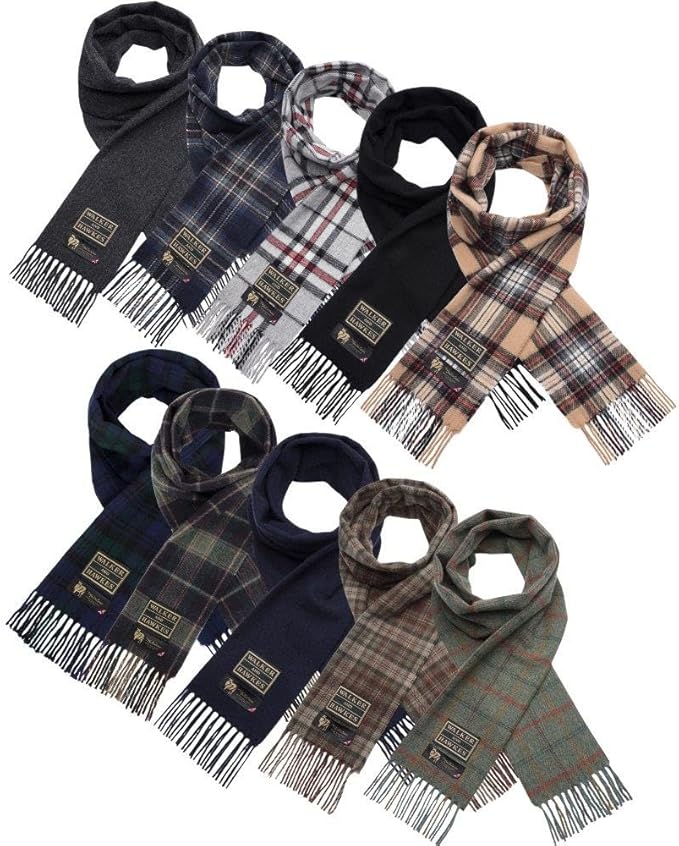
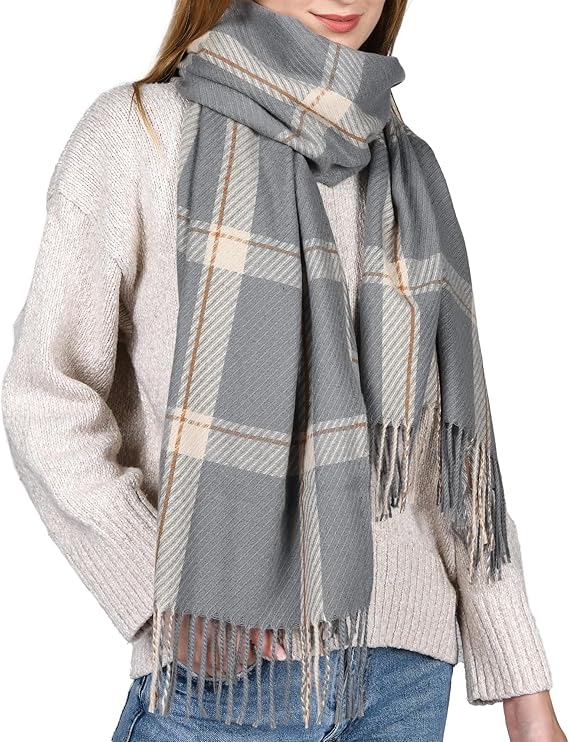

Prices and availability are accurate as of the indicated date/time and are subject to change.
Any price and availability information displayed on Amazon at the time of purchase will apply.
1.3 What Does It Do?
A scarf provides thermal insulation around the neck and head, trapping body heat in cold conditions. Lightweight summer and silk scarves protect exposed skin from sun and wind without adding meaningful warmth. As a fashion accessory it adds colour, texture, and pattern to an outfit without the commitment of a garment change.
Scarves serve functional roles beyond personal wear — as head coverings for religious observance, as dust and sand protection in arid environments, as team or club identity markers in sport, and as signal cloths in military and outdoor contexts.
1.4 How It Works
- Wool, cashmere, and natural fibre scarves trap a layer of warm air between the fabric and skin through the insulating properties of their fibre structure — the same principle as all textile insulation.
- Tighter weaves and knits trap more air and provide greater insulation. Open lacework and loose knits allow airflow, reducing warmth but increasing breathability for mild conditions.
- Silk and lightweight cotton scarves work primarily as a wind and UV barrier rather than an insulator, blocking convective heat loss and direct radiation without adding fibre-based warmth.
- Wearing method affects function — a loose drape provides minimal insulation while a wrapped or tucked configuration seals the neck completely against cold air ingress.
1.5 History & Evolution
Neck cloths and wrapped fabric pieces appear in ancient Egyptian, Roman, and Chinese dress records. Roman soldiers wore a focale — a cloth wrapped around the neck under armour — primarily to prevent chafing from metal collar edges. Chinese Emperor Cheng of Han is depicted in 230 BC records wearing a cloth around the neck as a rank indicator.
The modern scarf as a fashion and functional garment developed through 17th century European dress. Croatian mercenaries serving in France during the Thirty Years War wore knotted neckcloths that French observers adopted and refined into the cravat — the direct ancestor of both the modern necktie and the fashion scarf.
Wool and cashmere shawls from Kashmir entered European fashion in the late 18th century through trade routes and military campaigns in India. The Kashmir shawl craze of the early 19th century drove the development of the Paisley weaving industry in Scotland, which produced affordable imitations of the expensive Indian originals.
Hermès produced its first silk carré — a 90cm square printed silk scarf — in 1937. The format became one of the most recognised luxury accessories of the 20th century and remains in production today with over 2,000 designs in the archive. Burberry’s Nova check pattern, introduced in the 1920s as a lining fabric, became globally iconic as a scarf pattern through the 1990s and 2000s.
1.6 Where You'll Usually Find One
- Clothing retailers and department stores for current production
- Thrift stores and charity shops — among the most commonly donated accessories
- Estate sales, particularly for vintage silk and designer examples
- Vintage clothing dealers specialising in accessories
- Online via eBay and Etsy for vintage, designer, and hand-crafted examples
- Craft markets for hand-knitted and crochet examples
1.7 Common Misidentifications
Shawl: A larger rectangular or triangular wrap worn over the shoulders rather than primarily around the neck. Wider and longer than a standard scarf, typically 50 to 80 inches across. The distinction is size and wearing position rather than construction or material.
Pashmina: A specific type of fine cashmere scarf or shawl produced from the undercoat of Himalayan goats. Marketed as a distinct product category but functionally a fine cashmere scarf. Many items sold as pashmina are blended or synthetic — genuine pashmina is identified by its exceptional softness and light weight.
Bandana: A small square cotton cloth — typically 20 to 22 inches — worn as a head covering, neck cloth, or pocket square. Distinguished from a scarf by its smaller size, cotton construction, and traditional paisley or solid bandana print.
1.8 Is It Valuable?
Common acrylic and polyester scarves from high street retailers carry minimal resale value — $1 to $5 at thrift stores. Value concentrates in natural fibres, designer brands, and vintage examples.
- Vintage Hermès silk carré in excellent condition with original box: $200—$800+
- Current production Hermès carré new: $400—$500
- Authentic Burberry Nova check cashmere scarf: $150—$400 secondhand
- Hand-knitted or artisan crochet scarves: $40—$150 depending on yarn and maker
- Vintage cashmere scarves in excellent condition: $50—$200
- Counterfeit designer scarves carry no value — authentication is essential on any designer purchase above $50
Condition, material authenticity, and label integrity are the primary value factors. Pilling on wool and cashmere, snags on silk, and fading on printed designs all reduce value significantly. Hermès scarves with original box, receipt, and care booklet command the highest premiums in the vintage accessories market.
1.9 Modern Alternatives
The scarf has no functional replacement — neck gaiters and fleece tube scarves serve the warmth function in outdoor and sport contexts but have not displaced the traditional scarf in fashion or everyday use. Synthetic performance fabrics have introduced moisture-wicking and windproof scarf variants for active wear. The hand-knitted and crochet scarf market has grown alongside the broader craft revival of the 2010s, sustaining demand for handmade examples independent of fast fashion production.
Looking for one? Where to buy a Scarf →
1.10 Final Identification Checklist
- Rectangular, square, or triangular length of fabric
- Length 12 to 80+ inches, width 4 to 36 inches
- Woven, knitted, or crochet construction visible under inspection
- Fringed, cast-off, or hemmed edges depending on construction type
- Wool, cashmere, silk, cotton, or synthetic fibre composition
- Hand-rolled hem on quality silk examples
- Woven or printed brand label sewn into corner or edge on designer examples
- Weight between 50 and 300 grams